Protect. Treat. Bring them home.
Henley Ion builds needle-free, field-ready biodefense technology — stopping bleeding, fighting infection, and managing pain at the point of injury, and shielding the lungs from airborne and CBRN threats. Independently validated. Patent-protected. Built to work where help is hours away.
What the technology does
The same core technology treats the body and cleans the air. That’s why one company can build across both.
Simple to make. Advanced in care.
The whole value of Henley Ion sits in one contrast: a device built from a few simple, single-use parts that delivers treatment normally reserved for a clinic.
A handful of disposable parts
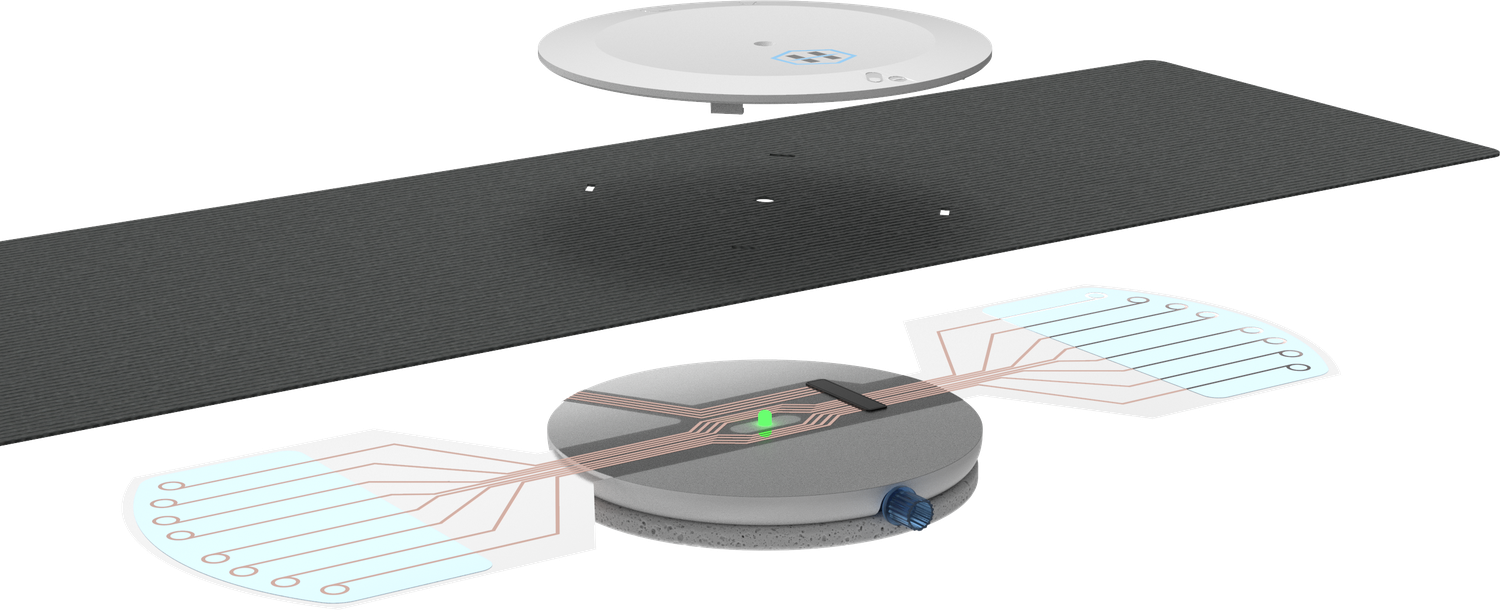
Clinic-grade delivery, on the skin
Simple, disposable production and clinic-grade care — strong margins, a large unmet market, and real human impact.
Three steps, from wound to treatment.
Seal
Place the bandage over the wound. A conforming bladder seals it — stopping bleeding and fluid loss — anywhere on the body.
Squeeze to activate
Squeeze the bulb to deliver medication — antimicrobial, anesthetic, or clotting agent — through the port while the bandage stays sealed.
Deliver
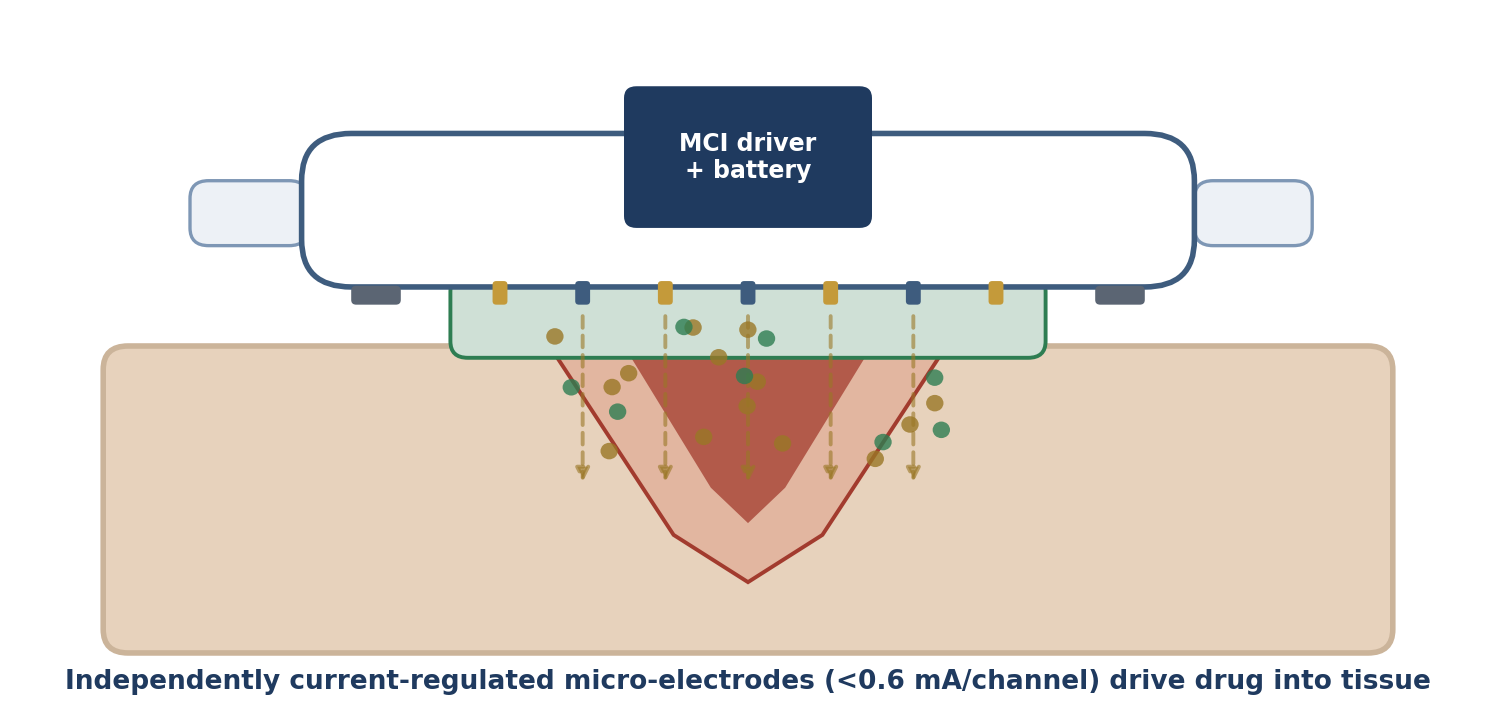
A gentle multichannel current carries the medicine into the tissue and keeps delivering — continuously, right where it’s needed.
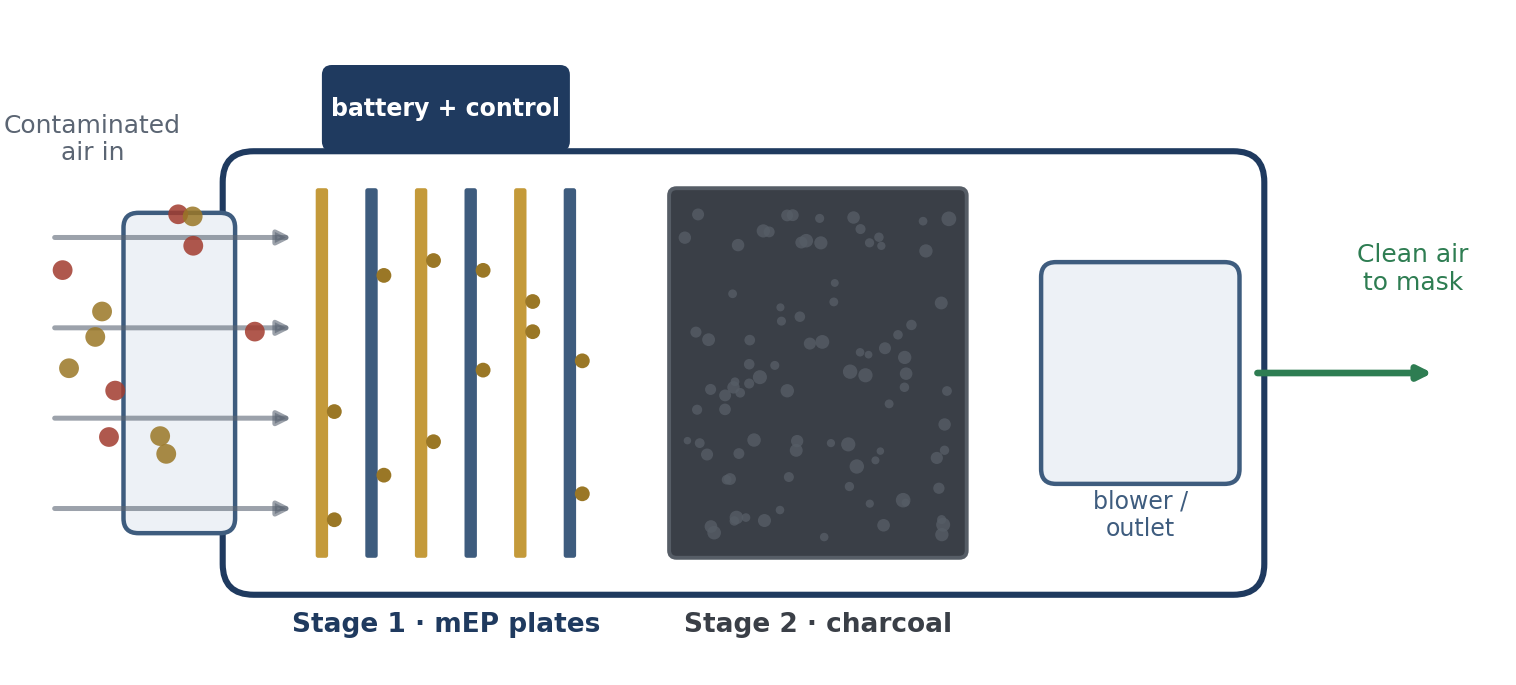
The same precise ion control powers our air-purification and respiratory systems.
How each device does its job.
The same precise ion and acoustic control, engineered into three very different devices.
Published, patented, and independently tested.
Across every application, the platform is published, patented, independently validated, and grant-supported.
Current activity: SBIR Phase I proposals submitted for the wound bandage and CBRN mask.
A real need, met by a device simple enough to reach it.
1. Tulane National Primate Research Center; Henley et al., Viruses 2022, 14(4):765. 2. LSU School of Dentistry pre-clinical studies. 3. Eastridge et al., “Death on the battlefield (2001–2011),” J Trauma Acute Care Surg 2012.
From point-of-injury care to clean indoor air, the same technology reaches markets that usually need entirely different companies to serve them.
The product line.
Six products across two platform technologies — Electrokinetic Transdermal for the body and Corona Electrostatic Precipitation for the air — plus a point-of-care regenerative-cell device that isolates a patient's own stem cells without enzymes. From lab-validated prototypes toward first clinical and field trials, every one built on a shared, proven foundation.
Active Bandage
Needle-free wound treatment that fights infection, slows bleeding, and manages pain at the point of injury.
Explore →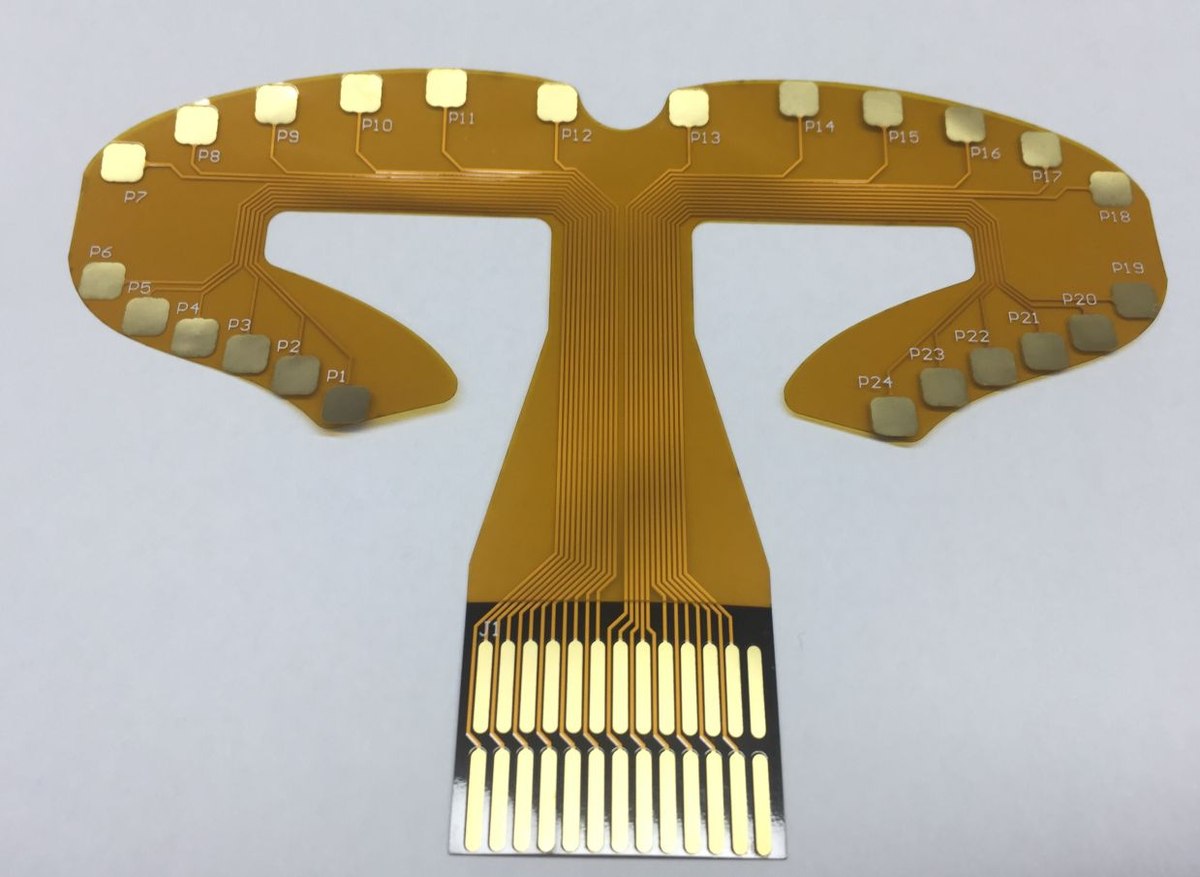
Dental — Ionto-Pad
Pain-free, needle-free delivery of anesthetic and medication into the tooth and gum.
Explore →Cosmeceutical
Needle-free delivery into skin, follicle and gland — hair, lip anesthesia, and sweat mitigation.
Explore →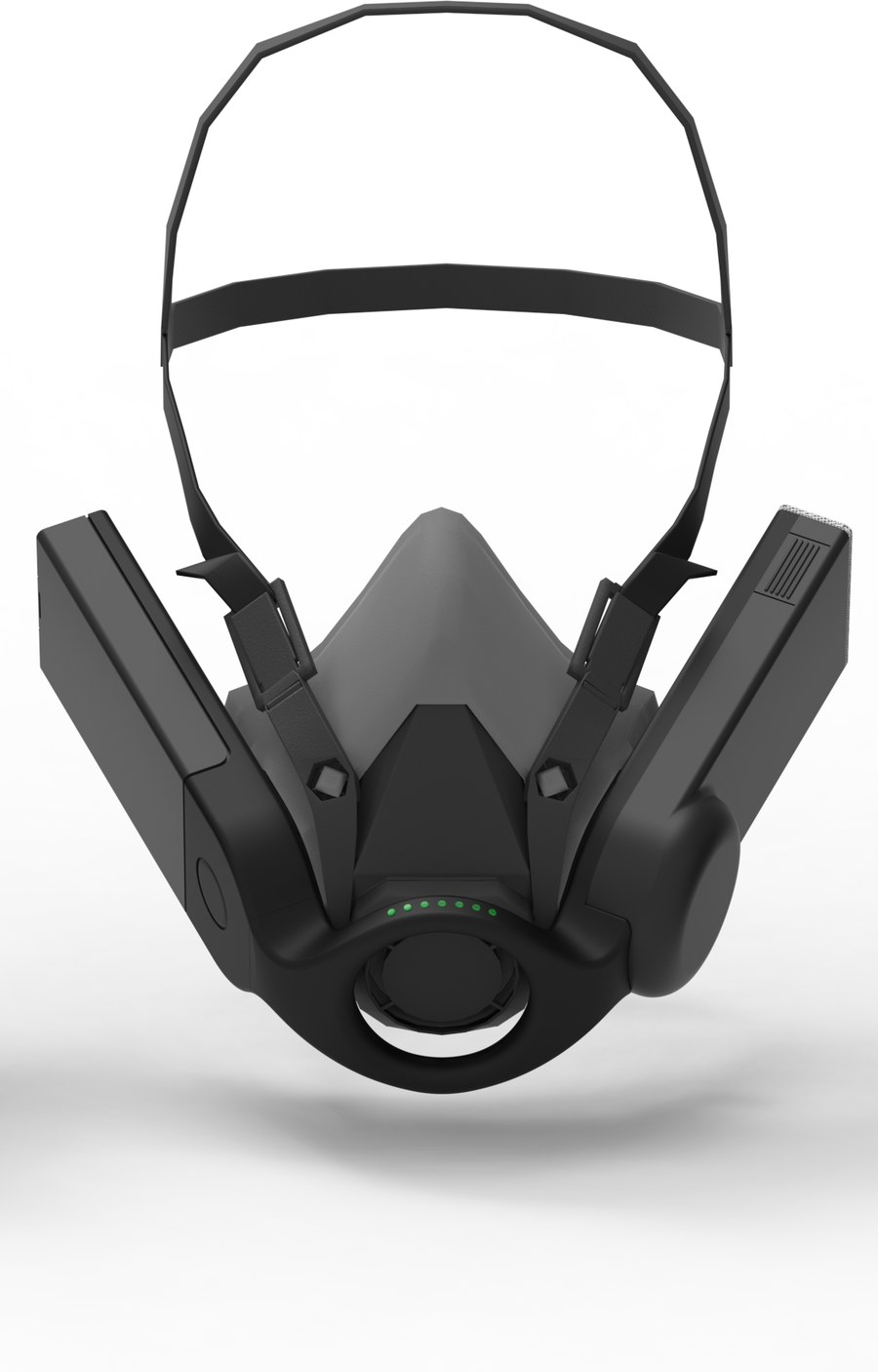
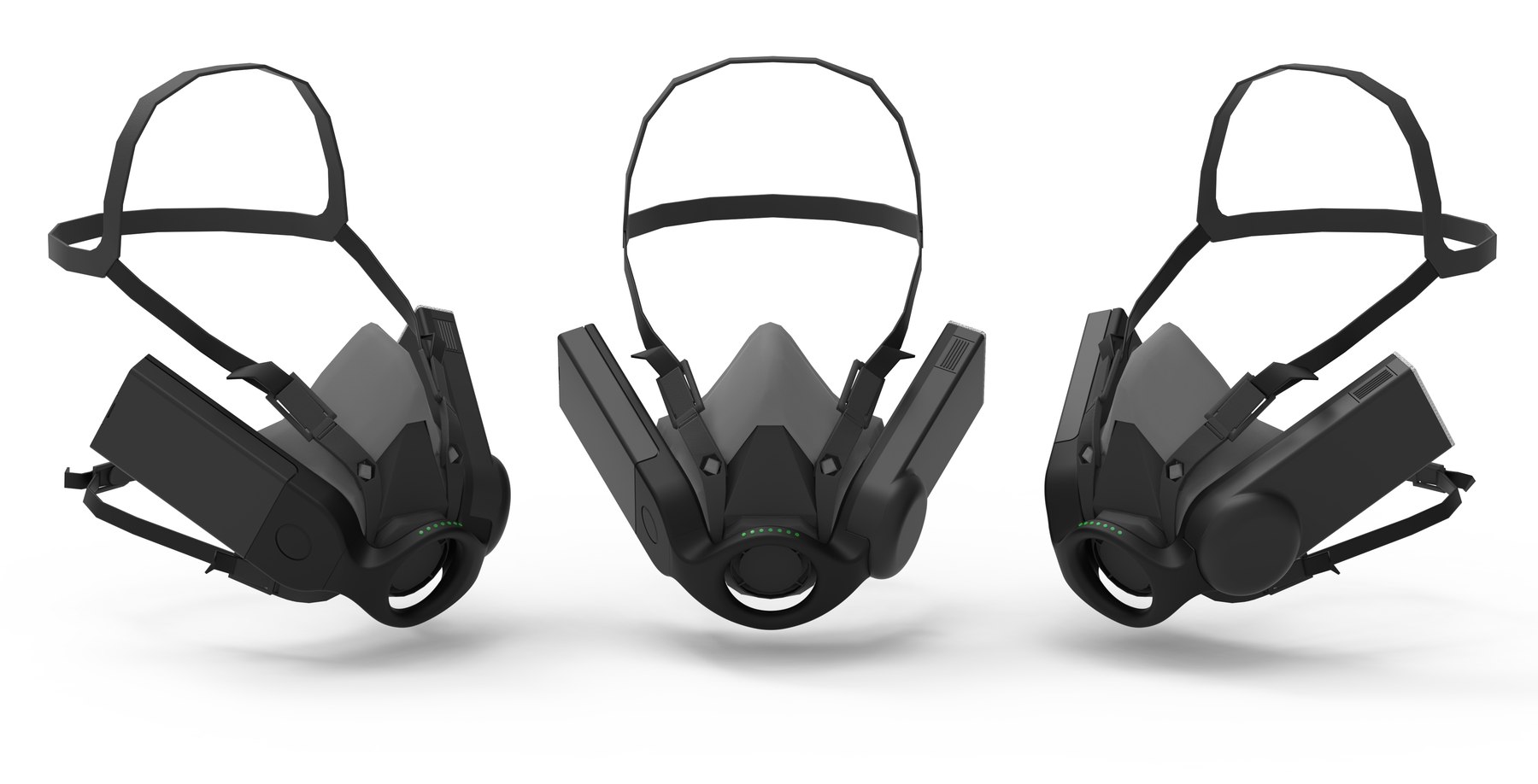
Respiratory Protection
A hybrid mEP + charcoal canister that removed 99.8% of aerosolized SARS-CoV-2 at Tulane.
Explore →Air Purification
Clean-environment units for residential, commercial, and industrial HVAC.
Explore →Room Sanitizer
A room-scale unit that sanitizes air and surfaces across an entire space.
Explore →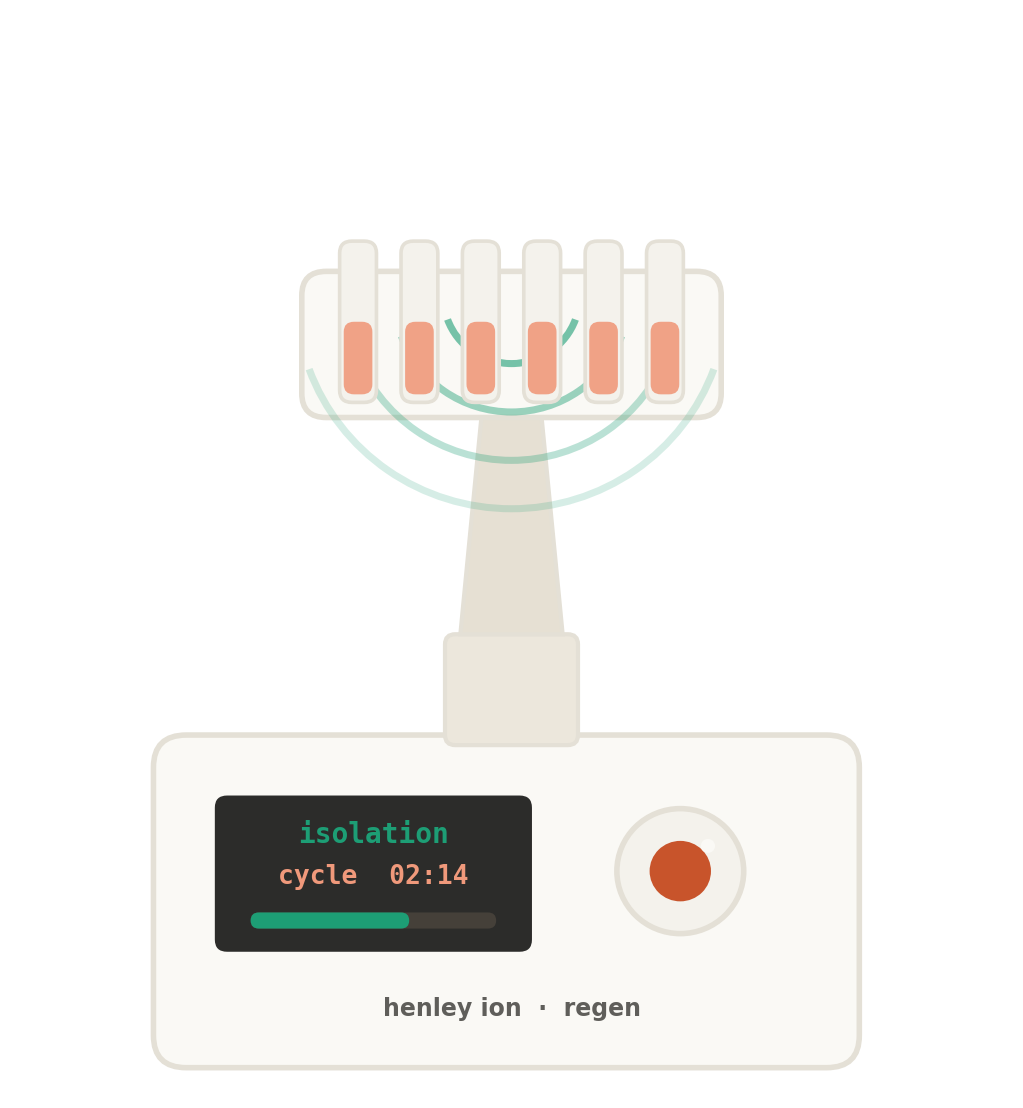
Stem Cell Machine
Point-of-care isolation of a patient's own regenerative cells — enzyme-free, in minutes.
Explore →Medicine that crosses the skin — on a current, not a needle.
A gentle electric field sets charged medicine in motion and carries it through the skin — molecule by molecule, all the way to the tissue below. No needle. No injection. No pain. Just physics doing the work a syringe used to.
Medicine, delivered where the body needs it.
The same precise ion control that cleans the air drives medication through the skin and into the tissue — reaching the wound, not just resting on it. Drag to explore.
A career of building medical firsts.
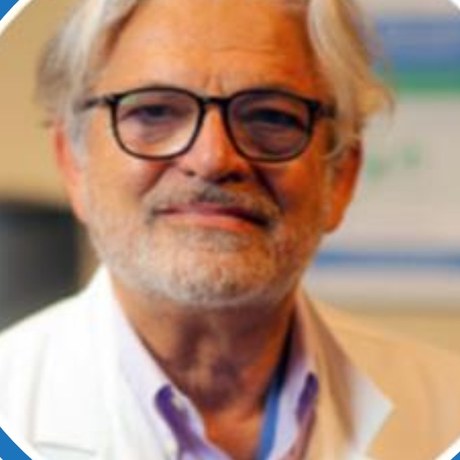
Henley Ion’s platform was invented by Dr. Julian Henley — educated at Harvard University (magna cum laude, Applied Mathematics & Physics) and the Albert Einstein College of Medicine.
A physician and board-certified specialty surgeon, he taught and practiced at Yale School of Medicine for 22 years. That depth is why a device this simple can do something this advanced.
Meet the inventor & teamWe’re looking for development partners.
The science and the prototypes are in hand. What we need now are partners to help move them from the lab into the field — capital, distribution, clinical sites, or manufacturing.
Start a conversation →