A respirator built around a new idea.
Respiratory protection hasn’t fundamentally changed since the WWI gas mask. We miniaturized electrostatic precipitation — an mEP engine that charges airborne particles and pulls them out of every breath — and built it into one platform that scales across three masks: an everyday consumer respirator, a first-responder mask for smoke and chemical spills, and a hybrid military CBRN mask. Validated in the lab at Tulane.
Prototype · Tulane-validated
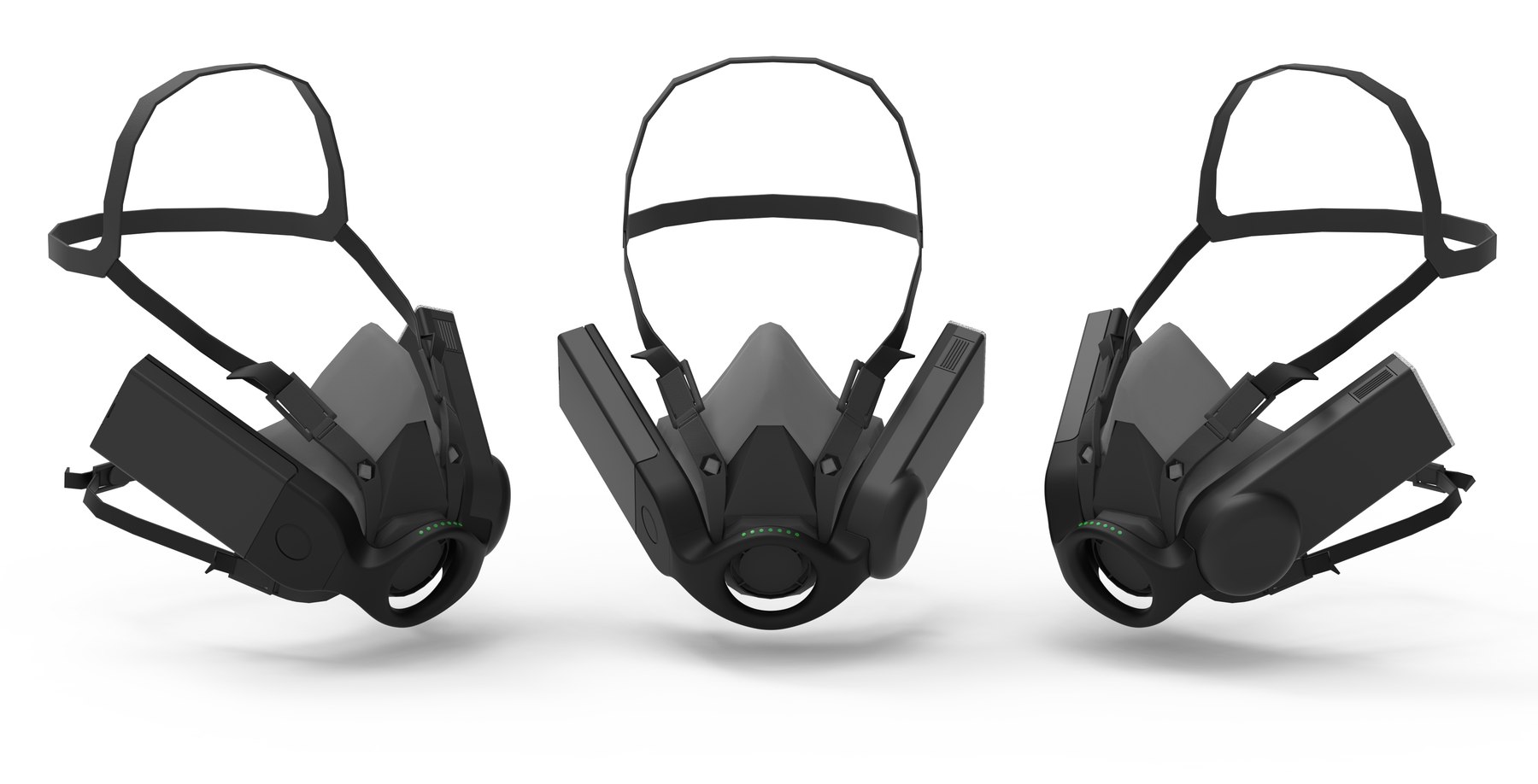
*First-generation prototype tested in Tulane University labs: 99.8% removal of aerosolized SARS-CoV-2, comparable to N95/HEPA for sub-0.3 µm particles. Sized to capture anthrax (1–1.5 µm) and tear gas (3–10 µm). The mask work is supported by an NIH grant on TB-transmission control.
The same mEP engine, tuned to the mission
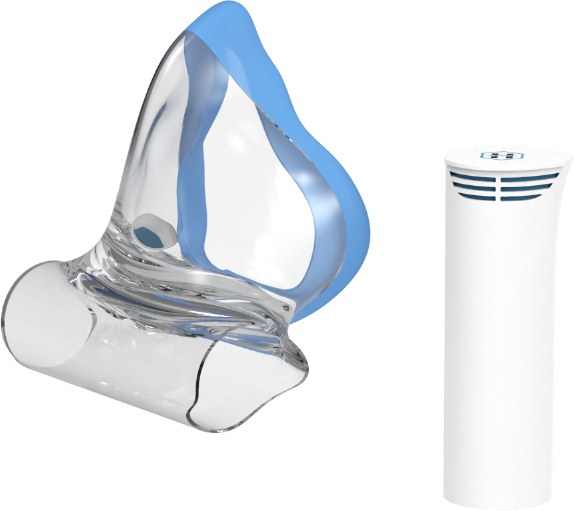
The everyday mEP respirator
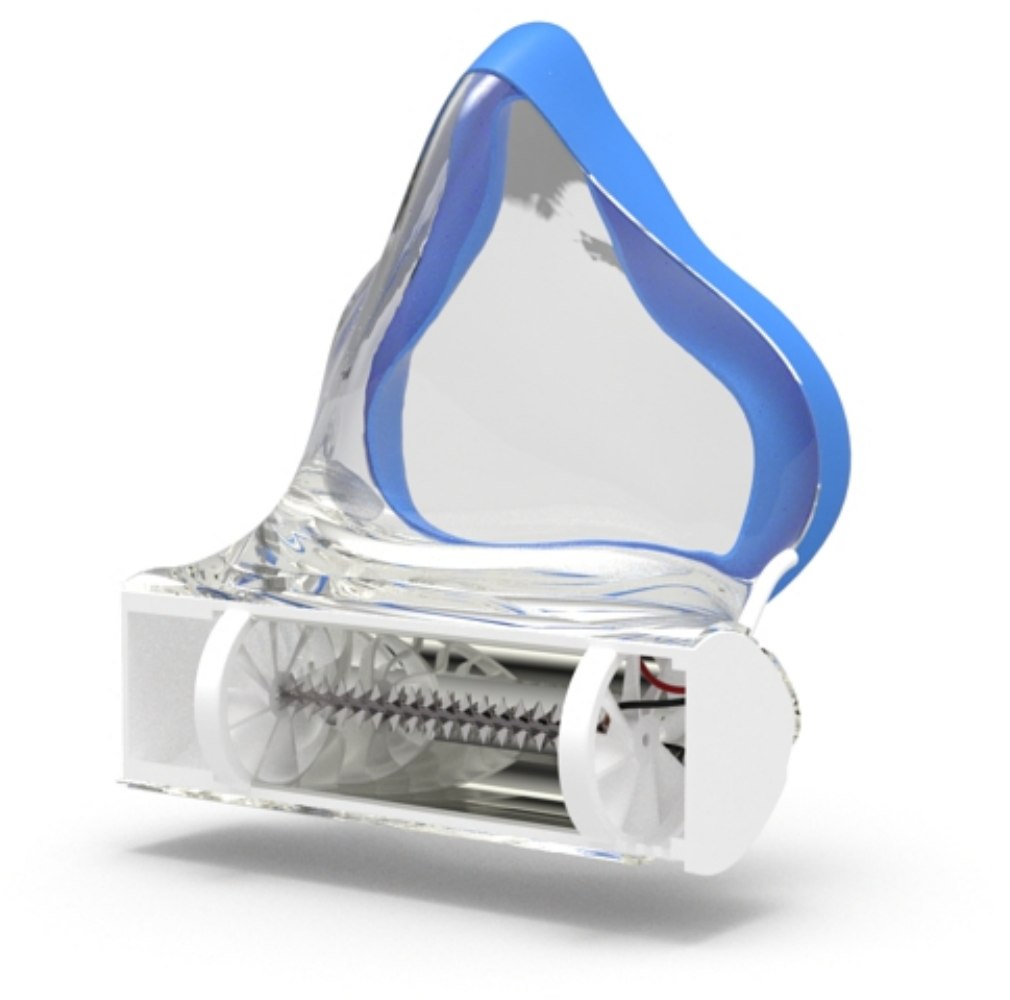
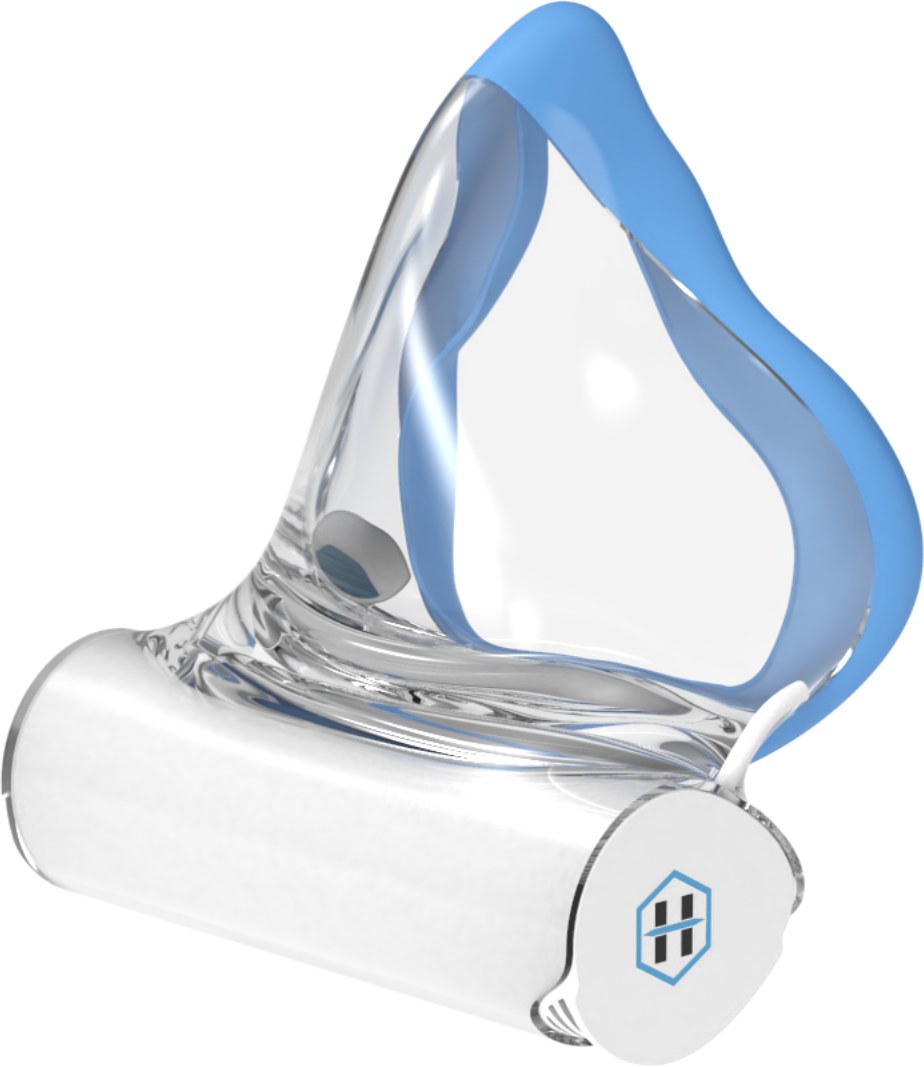
A clean, low-profile mask with the miniaturized electrostatic-precipitation engine built into a soft, reusable cushion — normal, easy breathing with active particle capture. This is the design we can put into production now, pending funding.
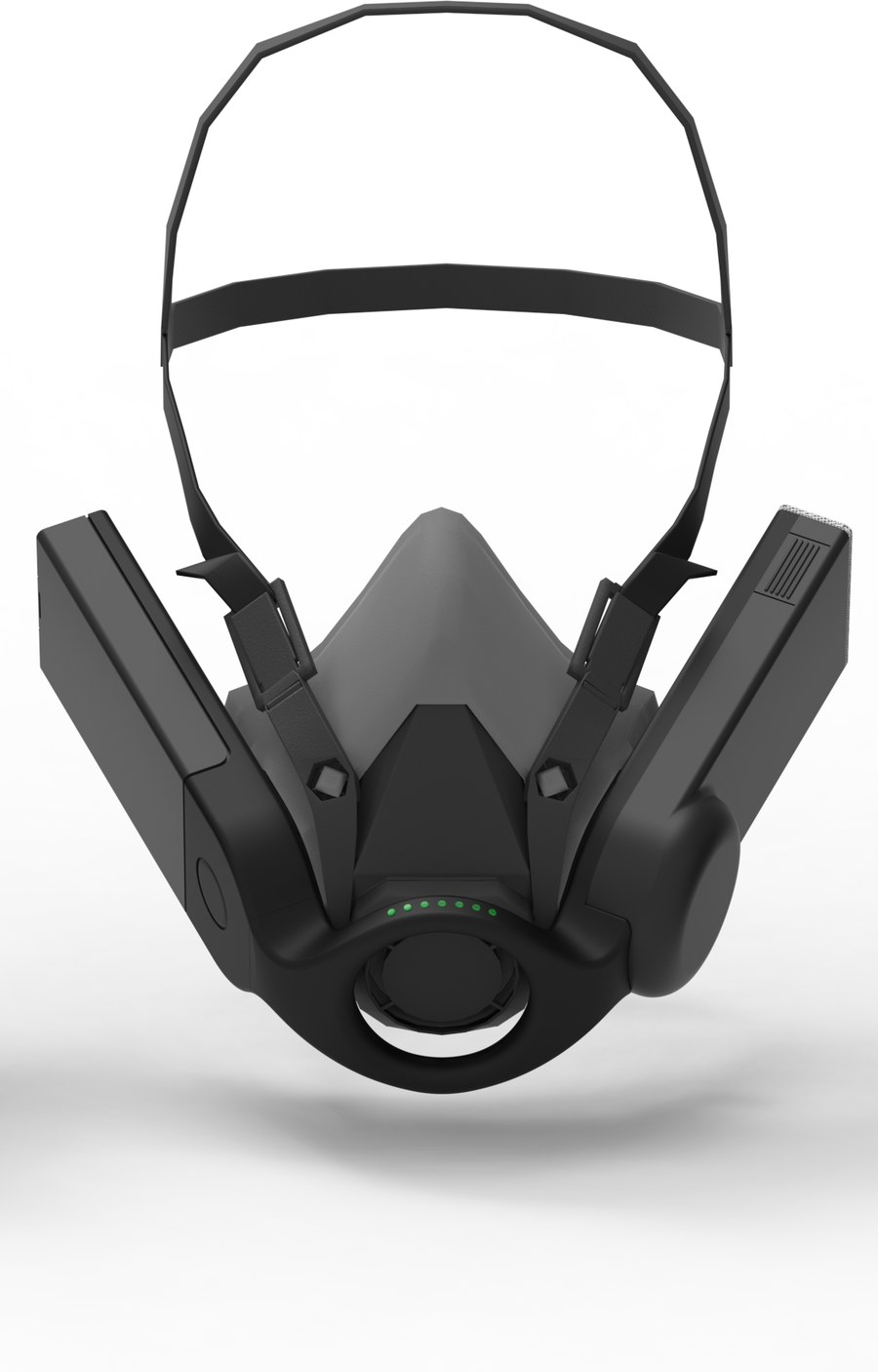
Ion Mask V3 — smoke & chemical spills
A rugged, tactical half-mask for wildfire smoke, chemical spills, and first-response work. Dual modular canisters swap in seconds, and a status-LED row shows filter and battery state at a glance.
The hybrid mEP + charcoal CBRN mask
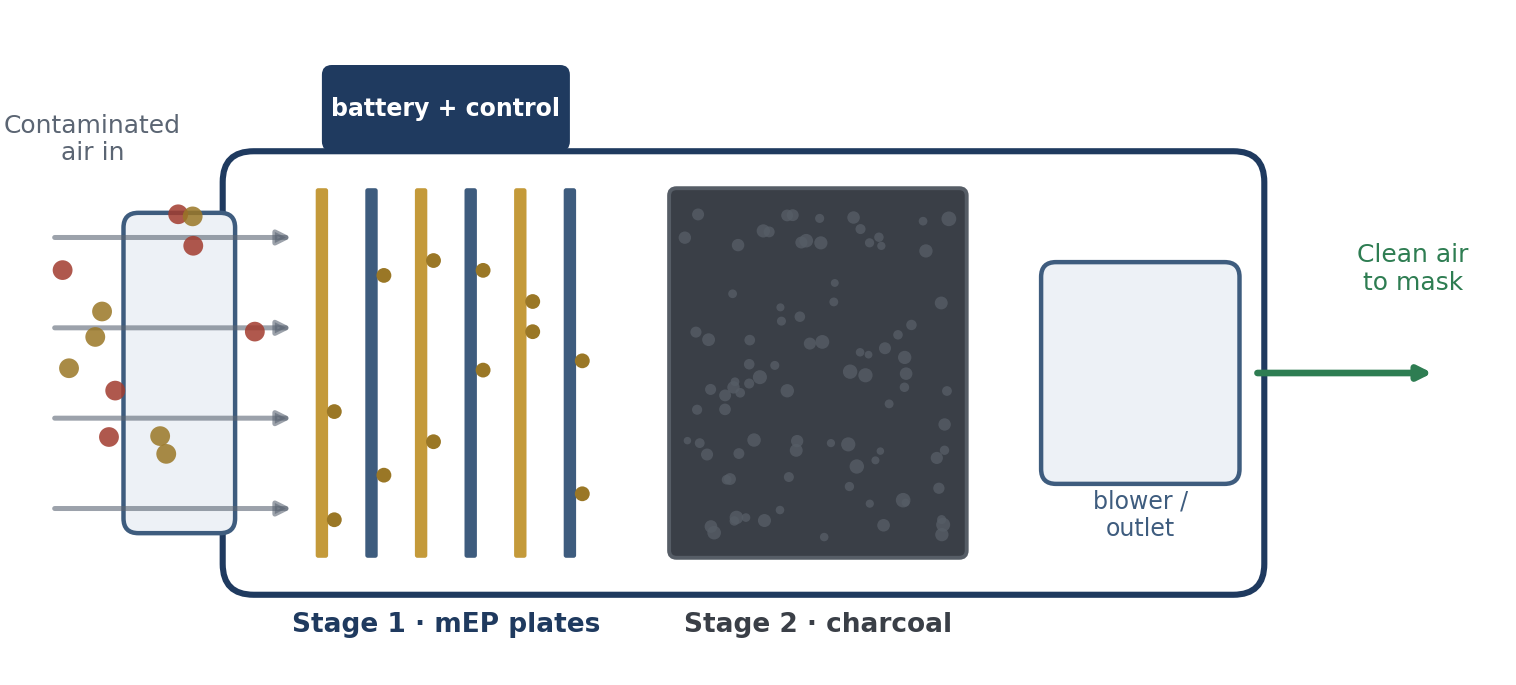
For NBC/CBRN use, the mEP engine pairs with the existing charcoal canister as a one-for-one canister replacement — catch-and-kill for biological particles, capture-and-decompose for chemical agents — broadening protection with no added breathing resistance.
Inside the Ion Mask V3
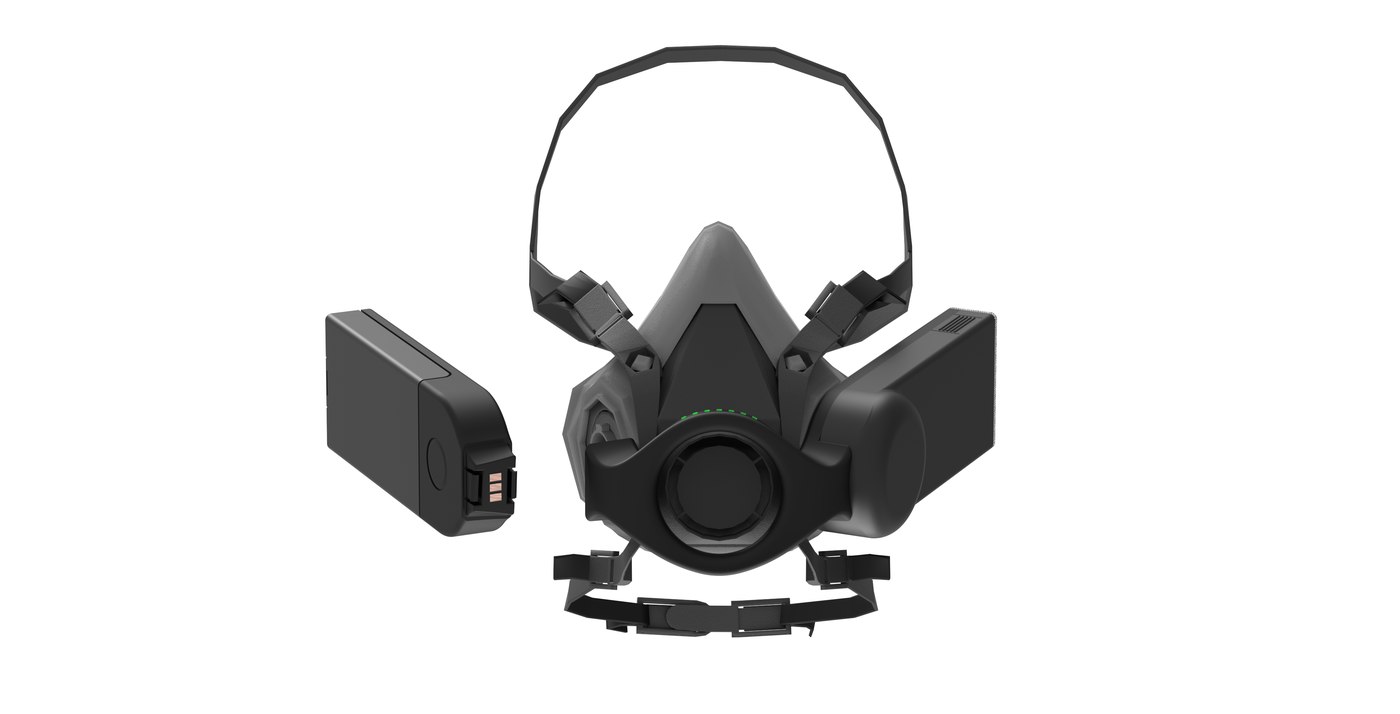
Every tier shares the same mEP engine — packaged here in the rugged first-responder / CBRN body. The dual canisters swap in seconds, and status LEDs report filter and battery state at a glance.
- 1Adjustable head harness — secure, tool-free fit.
- 2Dual swappable mEP canisters — fresh capture in seconds; one becomes the charcoal hybrid for CBRN.
- 3Status LEDs — filter life and battery at a glance.
- 4Low-resistance intake / exhale valve — easy breathing for all-day wear.
Clean air, breath by breath
Air is drawn through a compact ionization chamber. A corona emitter charges every particle in the stream — viruses, bacteria, smoke, chemical droplets — and a charged collector pulls them out before the air reaches the wearer. Miniaturized to fit inside the mask, it protects without the choking resistance of a packed filter.
The consumer mask, at a glance
The everyday configuration is light enough to forget you’re wearing it — the whole mEP engine and its power pack together weigh less than a paperback.
The mEP engine filters the air on the way in — so the wearer breathes clean air — and again on the way out, capturing particles from exhaled breath to protect the people nearby if the wearer is infected.
Built to be worn all day
Mask-agnostic engine
The mEP integrates into any platform — consumer, half, or full mask — while allowing normal, easy breathing for extended wear.
Flexible power
A 12-hour device that charges with a common USB cord, or takes an external battery pack for austere environments.
All-day comfort
A better fit, lightweight, and easy to breathe, resistant to rain and saliva — designed to be worn all day.
Why better masks matter
“To get people back to work, traveling… they will need to feel confident that they and their loved ones are at low risk of getting infected.”
“Mask wearing and some degree of social distancing, we will be living with — hopefully happily — for several years.”
“239 experts, one big claim: the coronavirus is airborne. The virus lingers in the air indoors, infecting those nearby.”
Bring next-generation respiratory protection to market.
A Tulane-validated mEP engine, ready for the partner who can scale it — from everyday masks to CBRN.
Start a conversation →